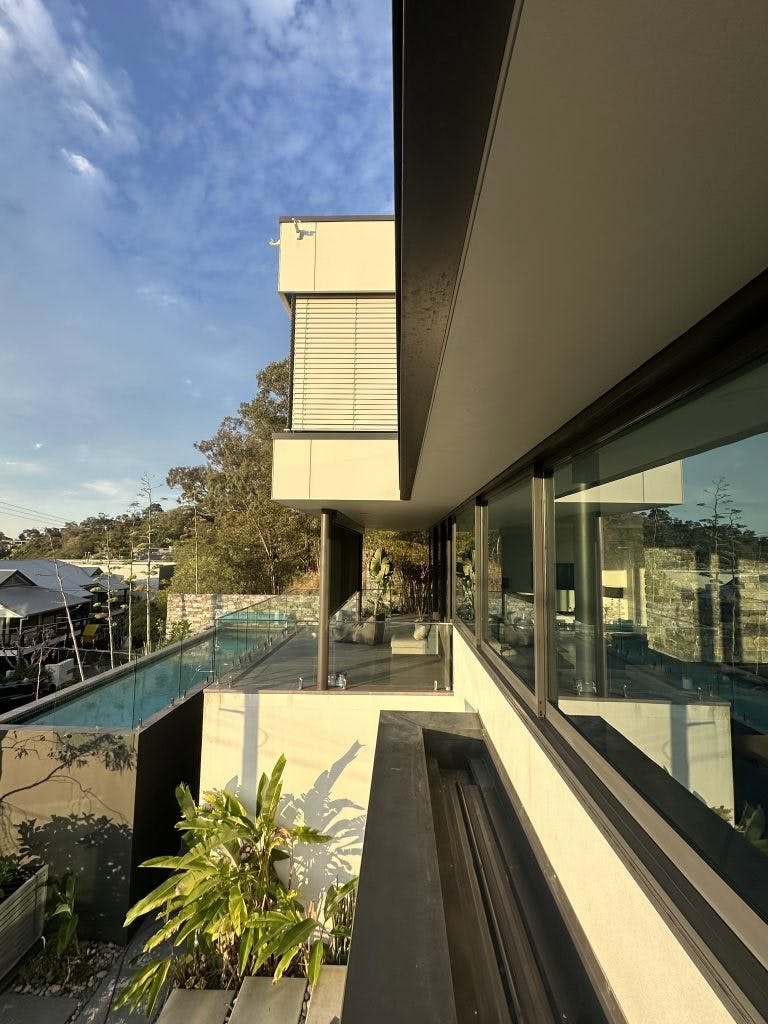
Keeping the outside of a property clean is one of those jobs that is easy to postpone. A few dirty marks on the driveway do not seem urgent, a little mould around the walls can be ignored, and leaves in the gutters may stay there for months. Then the stains spread, outdoor areas look tired, and a simple maintenance task becomes a much bigger job.
Regular exterior cleaning helps property owners stay ahead of that build-up. The right method can lift dirt, mould, algae, grease and other surface contaminants while helping protect the material underneath. For homes and businesses, this matters because humidity, rain, coastal air and everyday exposure can change the appearance of outdoor surfaces.
Why Exterior Cleaning Matters for Australian Properties
Exterior surfaces deal with more than ordinary household dust. Rain leaves behind residue, shaded areas can stay damp, and organic growth may develop where moisture remains for long periods. Driveways collect tyre marks and oil, while walls and roofs can gradually develop dark patches.
Leaving these problems alone does not always create immediate damage, but it can make future cleaning more difficult. Built-up grime becomes harder to remove, outdoor areas lose their fresh appearance, and property owners may spend more time trying to restore surfaces themselves.
A planned cleaning routine gives homeowners a way to manage these problems. Instead of waiting until a property looks heavily soiled, cleaning can be scheduled around the condition of the surfaces, local weather and the type of property.
Different Surfaces Need Different Cleaning Methods
One of the biggest mistakes with exterior cleaning is assuming that every surface should be cleaned with the same amount of pressure. Concrete can usually tolerate a stronger approach than painted walls, render or some roof materials.
High-pressure cleaning is useful for durable surfaces such as concrete, driveways, paths and other hard areas. It can remove stubborn dirt and embedded grime when the pressure and equipment are suitable for the material.
Soft washing takes a different approach. It uses lower pressure together with appropriate cleaning solutions to treat organic build-up. This can be useful for rendered walls, painted surfaces, weatherboards and selected roof areas where aggressive pressure could cause problems.
The goal is not simply to use more pressure. The goal is to select a method that removes the contamination without unnecessarily stressing the surface.
House Washing for a Cleaner Exterior
Walls, eaves, fascia, outdoor areas and other parts of a home can collect dirt gradually. Because the change happens slowly, homeowners may not notice how much the exterior has dulled until a section is cleaned.
House washing can help restore a more even appearance. Soft washing is often considered for painted walls, render, weatherboards and other surfaces that need a controlled approach.
Exterior cleaning can also make other maintenance tasks easier to see. Cracks, peeling paint, damaged fittings or areas of persistent moisture may become more noticeable once surface grime is removed.
Roof Cleaning Requires Care
Roofs are exposed to weather every day. Depending on the property and surrounding conditions, they may develop moss, lichen, algae, mould or dark atmospheric staining.
Roof cleaning should not be treated like driveway cleaning. The roof material, age, pitch, condition and surrounding risks all matter. A suitable method should be selected before work begins, particularly when dealing with older or delicate surfaces.
Safety is also important. Australian workplace guidance identifies roof access, falls, fragile roof sections, electricity and falling objects among the hazards associated with roof work. A roof should therefore be assessed properly before anyone works on it.
Driveway and Concrete Cleaning
Driveways are among the most noticeable hard surfaces around a property. They experience vehicle traffic, foot traffic, weather exposure, oil marks, weeds, dirt and general outdoor grime.
High-pressure cleaning can be effective on suitable concrete and hard surfaces because it can remove embedded contamination that ordinary sweeping will not touch. Rotary surface-cleaning equipment can also help produce a more consistent finish across larger areas.
Gutter Cleaning Should Not Be Overlooked
Gutters perform a simple but important job: they collect and direct rainwater away from parts of the building. Leaves, twigs, dirt and other debris can reduce their ability to carry water effectively.
Gutter cleaning removes accumulated debris and gives property owners an opportunity to identify obvious problems, such as heavy build-up or sections that may need further attention.
Because gutter work often involves ladders or roof access, it should not be treated as a casual DIY task when conditions are unsafe. Working at height carries real risks, and Australian safety guidance specifically highlights roof access and falls as hazards.
A regular inspection and cleaning routine can be especially useful before periods of heavier rainfall or when trees around the property regularly drop leaves, where practical.
Solar Panel Cleaning
Solar panels are exposed to dust, pollen, bird droppings, salt and other environmental residue. A layer of grime can change how clean the panel surface is and may make it harder to notice visible damage.
Cleaning should be carried out carefully. Panels are not a surface where high-pressure washing should simply be treated as the default. A controlled approach using suitable equipment and methods is more appropriate.
Roof access adds another consideration. Solar systems are typically installed on roofs, meaning cleaning work may involve working at height and around electrical equipment. Safe Work Australia notes that rooftop solar work involves risks including falls and electrical hazards.
Commercial Exterior Cleaning
Commercial properties have a different maintenance challenge. A shopfront, office, warehouse, strata complex or industrial site may need to remain presentable while customers, tenants, staff and visitors continue using the property.
A planned cleaning schedule can make exterior cleaning easier to manage. Depending on the site, services may include building washing, hardstand cleaning, driveway cleaning, gutter cleaning, window cleaning or builders final cleaning.
For property managers, consistency matters. A cleaning plan can help avoid leaving maintenance until the property becomes visibly neglected.
One Bulletin: Before Booking Exterior Cleaning
- Check which surfaces actually need cleaning instead of treating the entire property the same way.
- Ask whether soft washing or high-pressure cleaning is more appropriate for each material.
- Mention fragile, painted, aged or previously repaired surfaces before work begins.
- Make roof and gutter access part of the safety discussion.
- Clear movable items from outdoor areas where possible.
- Tell the cleaner about known water-sensitive areas, electrical equipment or access restrictions.
- For commercial sites, discuss operating hours and areas that need to remain accessible.
- Ask for a clear quote so the scope of work is understood before cleaning starts.
Exterior Cleaning Services at a Glance
| Cleaning area | Common issues | Suitable approach | Main benefit |
|---|---|---|---|
| House exterior | Dirt, mould, algae, grime | Soft washing or controlled cleaning | Fresher presentation |
| Roof | Moss, lichen, algae, staining | Surface-specific cleaning | Cleaner roof appearance |
| Driveway | Oil, tyre marks, dirt | High-pressure cleaning | Restored hard-surface appearance |
| Gutters | Leaves and debris | Gutter cleaning | Better maintenance |
| Solar panels | Dust, pollen, bird residue | Gentle panel cleaning | Cleaner panel surface |
| Windows | Dust, marks and buildup | Window cleaning | Clearer presentation |
| Commercial buildings | Grime and environmental buildup | Planned exterior cleaning | Professional appearance |
| Builders final clean | Construction residue and debris | Detailed final cleaning | Better handover presentation |
How Often Should Exterior Surfaces Be Cleaned?
There is no single schedule that works for every property. A home beside trees may need more frequent gutter attention than a property with little vegetation. Coastal properties can experience different conditions from inland buildings, while shaded walls may stay damp for longer.
Instead of choosing a fixed interval without looking at the property, owners can monitor visible changes. Dark staining, slippery outdoor areas, blocked gutters, heavy dust and recurring organic growth are practical signs that maintenance may be due.
Choosing the Right Exterior Cleaning Professional
Price is naturally part of the decision, but it should not be the only consideration. Ask what cleaning method will be used, whether the company works with the type of surface you have, and whether the scope of work is clearly explained.
Experience with both soft washing and high-pressure cleaning can be useful because different parts of a property may require different approaches. Insurance, clear communication and attention to safety are also important, particularly for roof, gutter and commercial work.
The Value of Preventive Cleaning
Exterior cleaning is easier to manage when it becomes part of normal property maintenance rather than an emergency task. Regular attention can keep grime from becoming heavily embedded and can help outdoor areas remain presentable throughout the year.
For businesses, the benefit extends to day-to-day presentation. Clean entrances, walls, windows and surrounding hard surfaces create a more orderly environment for customers, employees and visitors.
Conclusion
A clean exterior does more than improve appearance. It supports practical property maintenance, helps outdoor areas stay presentable and gives owners a better opportunity to identify issues before they become harder to manage. The key is using the right cleaning method for each surface rather than treating every part of a property the same way.
For homes, commercial buildings, strata properties and construction sites, Fresh Exterior Cleaning provides tailored exterior cleaning solutions across the Gold Coast and surrounding areas. From soft washing and roof cleaning to driveways, gutters, solar panels and commercial properties, the approach should always start with the surface, its condition and the safest suitable cleaning method.
FAQs
1. What is the difference between soft washing and high-pressure cleaning?
Soft washing uses lower pressure with suitable cleaning solutions and is commonly considered for delicate or painted surfaces. High-pressure cleaning uses stronger water pressure and is generally better suited to durable hard surfaces such as concrete when used correctly.
2. Can exterior cleaning remove mould and algae?
Yes, appropriate exterior cleaning methods can help remove mould, algae and other organic build-up. The cleaning method should depend on the surface and the type of contamination.
3. How often should a driveway be professionally cleaned?
The ideal frequency depends on traffic, weather, surrounding vegetation, staining and the condition of the concrete. Some properties may need occasional cleaning, while high-use areas can require more regular maintenance.
4. Is roof cleaning safe to do yourself?
Roof cleaning can involve falls, fragile surfaces, electricity and other hazards. Safe Work Australia identifies working at height and roof access among the risks associated with roof work. Professional assessment is sensible where access or conditions are unsafe.
5. What areas can professional exterior cleaning cover?
Depending on the provider and property, exterior cleaning can cover house walls, roofs, driveways, concrete, gutters, windows, solar panels, commercial buildings and construction sites. The correct services depend on the property’s surfaces and cleaning requirements.